
How to Choose the Right Shoes for Toddlers?
The Sole Summary
Toddler shoes have a big job.
One minute they’re sprinting across the playground. The next? Sitting on the floor because their socks “feel weird.”
Finding the right shoes for toddlers can feel surprisingly complicated, but the good news is: you don’t need the perfect shoe. You just need the right shoe for how they move, play, and grow.
From sneakers to sandals to boots, here’s what to actually look for when shopping for toddler footwear.
Toddlers Move Different
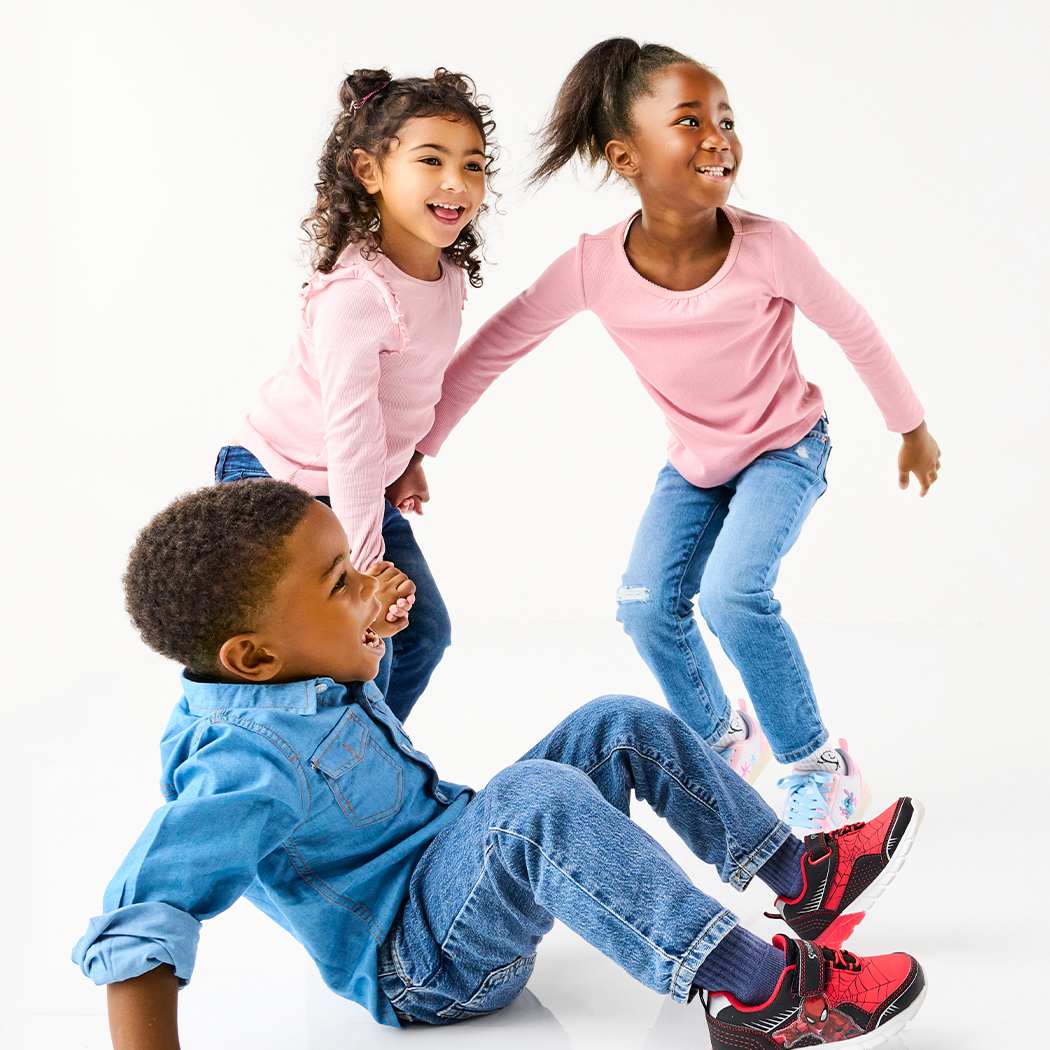
Toddlers aren’t just tiny adults. Their feet are still developing, which means their shoes need to support natural movement—not constrain it.
At this stage, balance, stability, toe movement, and comfort matter way more than trends.
Translation:
- Flexible > Stiff
- Lightweight > Bulky
- Secure Fit > “They’ll Grow into Them”
- Easy On/Off > Wrestling Match Before Daycare
And because toddlers somehow manage to trip over absolutely nothing, the right shoe can go a long way.
One important thing to remember: toddler feet naturally spread, or “splay,” while walking to help with balance and stability. Shoes that are too narrow or rigid can interfere with that natural movement pattern.
So while tiny adult shoes may look cute, toddler feet usually need something very different.
TODDLER SNEAKERS
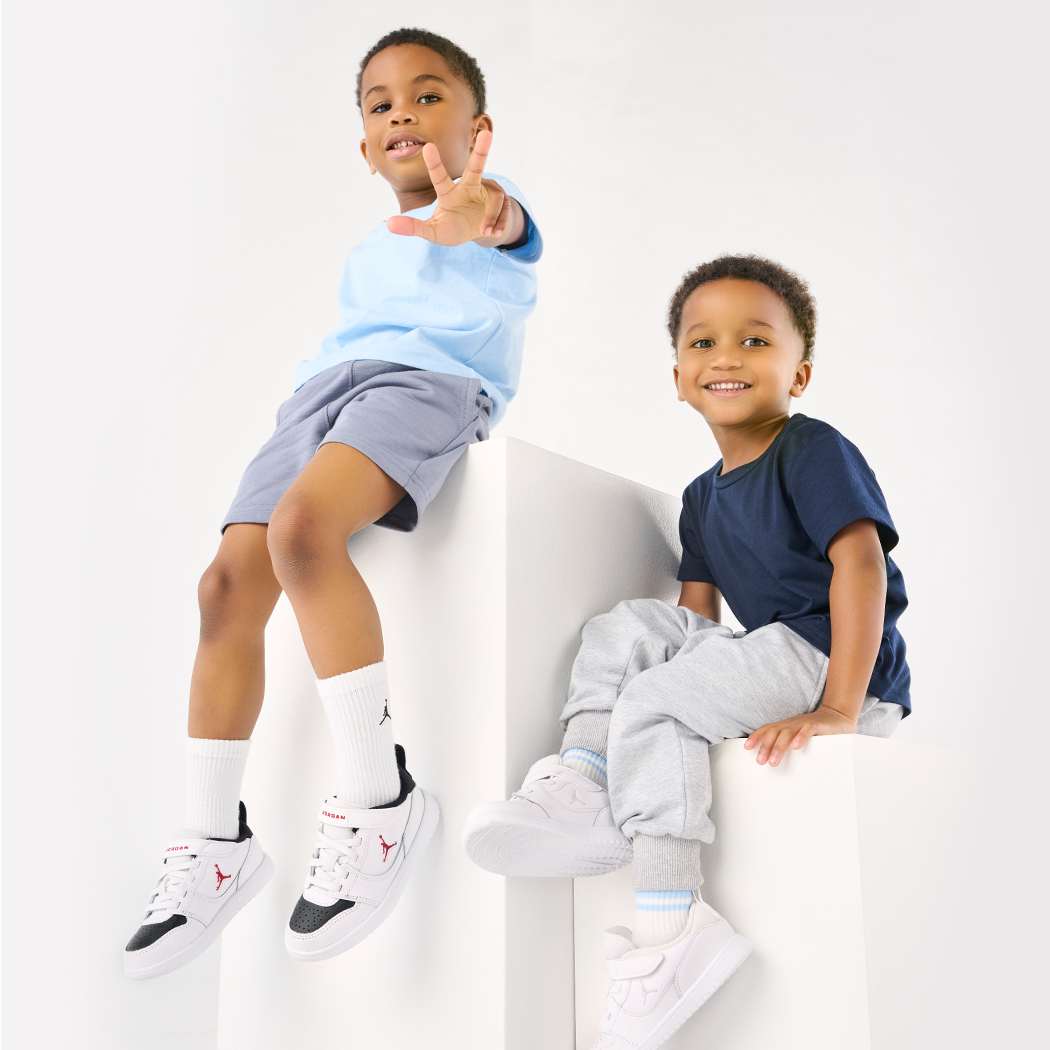
If toddler shoes had an MVP category, sneakers would probably win.
Toddler sneakers are supportive, versatile, durable, and built for everyday movement, which matters
when your child treats every grocery store trip like an obstacle course.
Toddler sneakers are especially great for:
- Playground Time
- Preschool/Daycare
- Everyday Wear
- Active Little Runners and Climbers
What to Look For
Flexible Soles
Toddler feet still need to bend naturally while walking and running. A sole that’s too stiff can
make movement feel clunky and awkward.
A good rule of thumb: If the shoe barely bends in your hand, it’s probably too rigid for a
toddler.
The front of the shoe should flex near the ball of the foot, not in the middle like a taco.
Wide Toe Box
Tiny toes need room to spread naturally for balance and stability.
Shoes that are too narrow can crowd the toes and make walking less comfortable, especially during
growth spurts.
A wider toe box allows toddlers to grip the ground more naturally and helps support proper foot
development.
Lightweight Construction
Heavy shoes can tire toddlers out faster and make movement feel harder than it needs to.
The goal is secure and supportive, not mini hiking boots.
This is especially important for new walkers, who are still developing coordination and
confidence.
Easy Closures
Hook-and-loop straps, elastic laces, wide openings—anything that helps get shoes on quickly is a
win.
Because nobody wants to negotiate with a toddler while trying to leave the house.
Adjustable closures also help create a more secure fit across different foot widths and
shapes.
Reinforced Toes
Toddlers drag toes. They kick things. They trip. They somehow scrape the front of every shoe within
48 hours.
Extra durability around the toe area helps sneakers survive longer.
Best for:
Daily wear, daycare, playgrounds, active toddlers, all-around use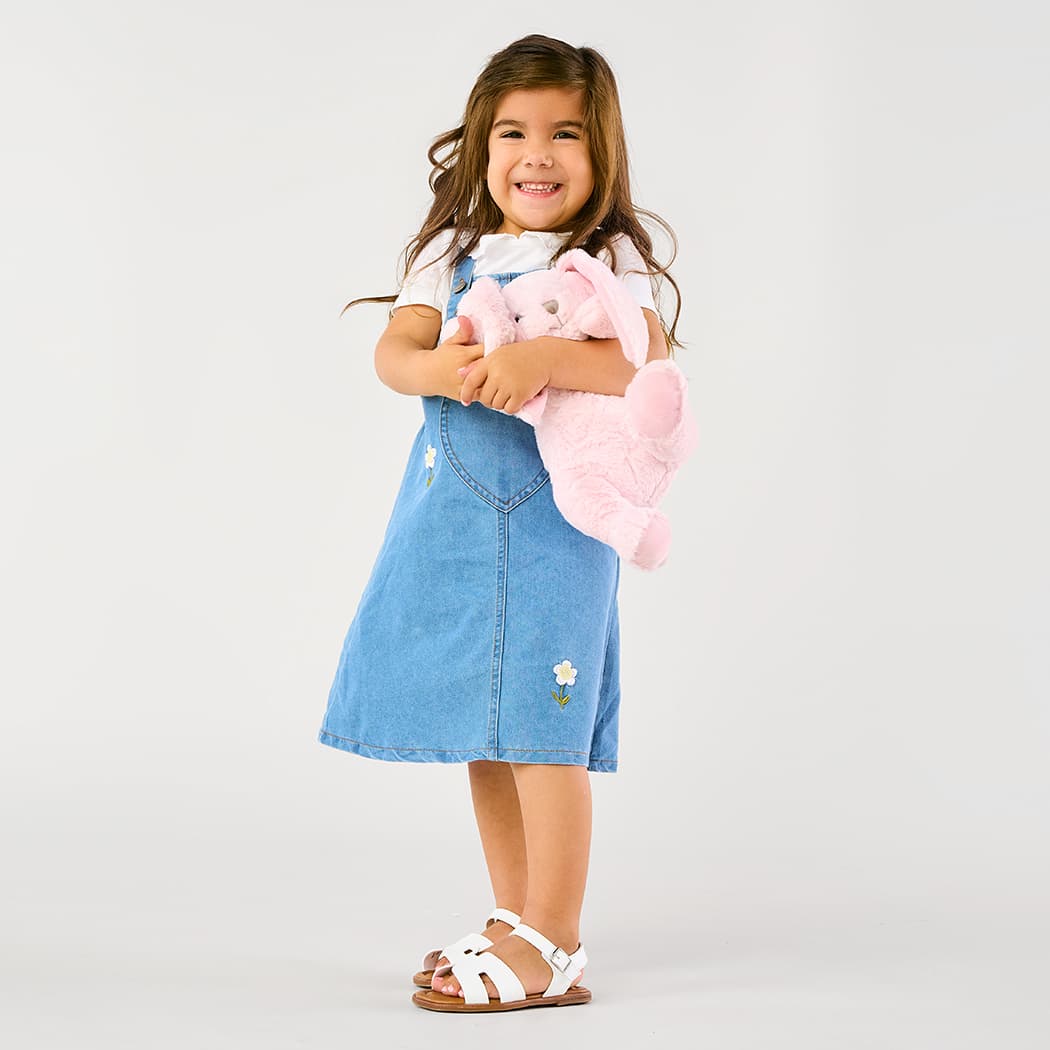
TODDLER SANDALS
Toddler sandals sound simple…until you realize that some are basically one missed step away from flying
off their feet.
The best toddler sandals still need structure and support, even if they’re more
breathable than sneakers.
Because while summer means more freedom for feet, toddlers still need
stability while they move.
What to Look For
1. A Secure Back Strap
This is a big one.
Toddlers should generally avoid flip-flop styles or completely backless
sandals because they require toes to constantly grip the shoe to keep it on.
That extra
gripping can affect natural walking patterns and stability, especially for toddlers still developing
coordination.
Instead, look for:
- Slingback straps
- Adjustable heel straps
- Secure closures around the ankle
Wide Footbed
Toddler feet naturally splay out while walking to help with balance.
A wider footbed gives their toes room to spread naturally instead of hanging over the edges or
getting
squished together.
This becomes especially important in toddler sandals since the foot is more exposed and less supported
than in a sneaker.
Flexible but Stable Soles
Super floppy sandals don’t offer much support, but overly rigid sandals can feel uncomfortable
fast.
You want something flexible enough for movement while still giving them a stable
base.
Think: bendy, not flimsy.
Adjustable Straps
Toddlers’ feet can vary a lot in width, volume, and shape, even between siblings.
Adjustable
straps help create a more secure fit while also accommodating growth spurts and those mysteriously puffy
post-playground feet.
Closed-Toe Options for Active Kids
If your toddler is especially adventurous, closed-toe sandals can help protect against stubbed toes,
scraped nails, and playground mishaps.
Because “watch your step” only goes so far.
Breathable Materials
Toddlers are sweaty little furnaces in the summer.
Breathable materials and quick-drying linings help keep feet cooler and more comfortable during all-day
zoomies.
Best for:
Warm weather, vacations, splash pads, beach days, casual everyday wear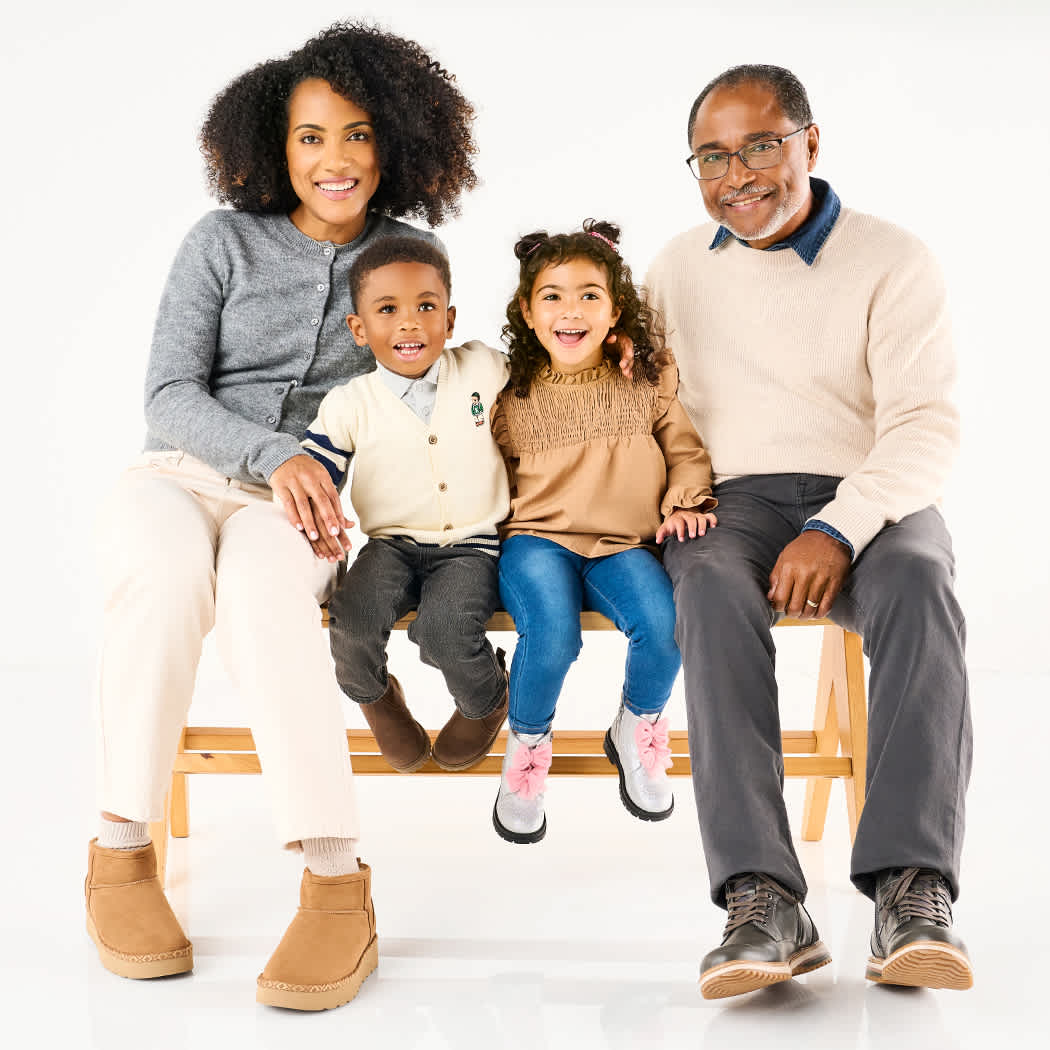
TODDLER BOOTS
Toddler boots have one main job: protect little feet from weather without making walking harder.
Simple enough in theory. Slightly chaos-inducing in practice.
The challenge with toddler boots is balancing warmth and durability without making them overly heavy
or
stiff.
Because toddlers still need to move naturally, even when it’s cold outside.
What to Look For
Lightweight Construction
Bulky boots can make toddlers walk like astronauts.
If the boots are too heavy, toddlers may stomp, shuffle, or lose confidence while moving.
Look for boots that feel protective without feeling heavy.
Flexible Outsoles
Even cold-weather boots should still allow natural movement.
Toddlers need traction and support, but they also need to bend their feet comfortably while
walking.
Good Grip
Wet leaves, slippery sidewalks, mystery playground goo. Toddlers find all of it.
Traction helps reduce slips and gives them more confidence while moving.
Warmth Without Overheating
Insulated boots are great for snow or colder climates, but overly warm boots for everyday wear can make
little feet sweaty and uncomfortable fast.
Match the insulation level to your actual climate and activity level.
Water Resistance
For rainy days, puddles, surprise mud stomping, and snow slush, water-resistant materials are your best
friend.
Because wet socks can ruin everyone’s mood instantly.
Easy Entry
Wide openings, pull tabs, side zippers, or hook-and-loop closures can make boots dramatically easier to
get on.
Which matters when your toddler suddenly decides they “do it myself.”
Best for:
Cold weather, rainy days, snow, outdoor play, seasonal wearWhat Matters Most? Comfort.
Every toddler is different.
Some are nonstop runners. Some are cautious little observers. Some will only wear the shoes with the
“fast colors.”
The goal isn’t finding the fanciest toddler footwear. It’s finding the pair that helps them move
comfortably and confidently.
That usually means:
- Flexible movement
- Room to grow
- Easy closures
- Lightweight comfort
- A secure fit
And yes, occasionally choosing the shoes that cause the fewest public meltdowns.
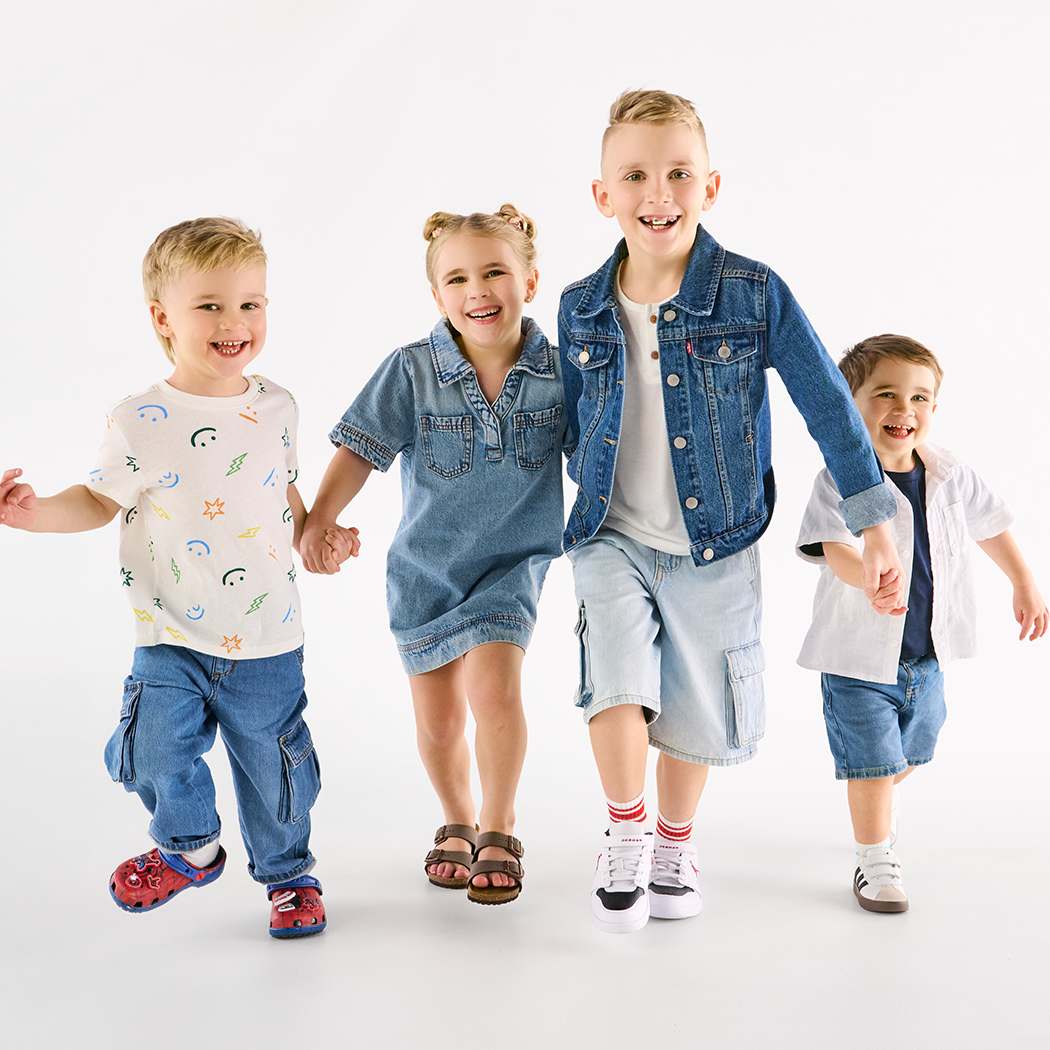
A Few Toddler Shoe Shopping Rules
Don’t Buy Too Big
We get it—you want them to last longer.
But oversized shoes can make toddlers trip more easily and affect how they walk.
A little growing room is good. Swimming in the shoe is not.
Check the Toe Space
Aim for about a thumb’s width between the longest toe and the front of the shoe.
That gives growing feet enough room without compromising stability.
Watch Them Walk
Before committing, let them move around.
Walking tells you way more than standing still ever will.
Tripping, heel slipping, awkward waddling, or immediately trying to take them off are all signs
something’s off.
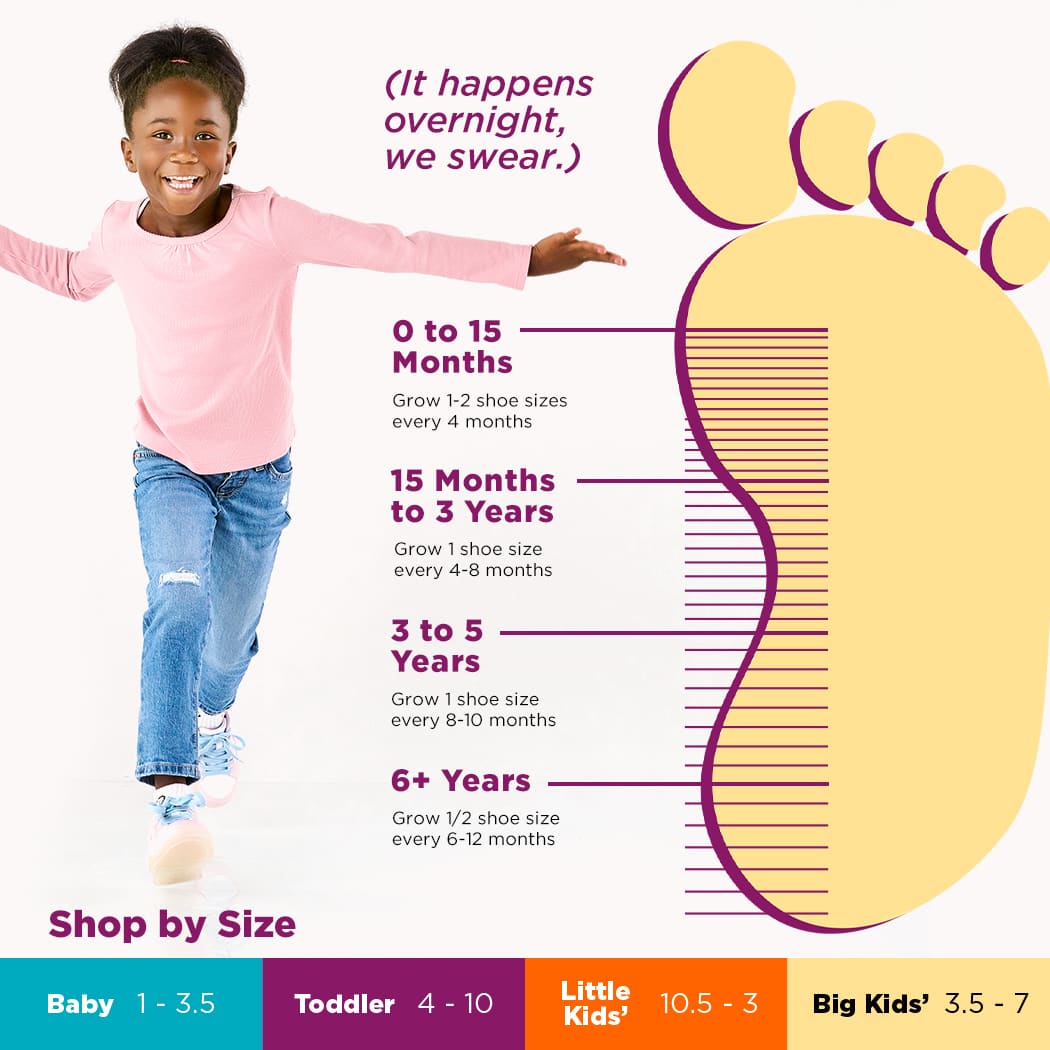
Re-Measure Often
Toddler feet grow fast. Like…crazy fast.
What fit three months ago might already be too small.
That’s why many parents check sizing every few months, especially during major growth spurts.
The Best Toddler Shoe?
The one they’ll actually wear.
Because technically perfect shoes don’t help much if getting them on becomes the morning meltdown
Olympics.
Luckily, there are plenty of toddler sneakers, sandals, and boots designed to make life easier for both
kids and parents.
And honestly? That’s the real win.