
Shoe Sizing Guide: Toddlers to Big Kids
Wait…Why Are Kids’ Shoe Sizes So Confusing?
Because just when you think you’ve figured it out,
the sizing resets.
Literally.
One minute they’re in a size 13. The next? You’re shopping for size 1s again.
We know. It’s a lot.
Here’s the easy breakdown.
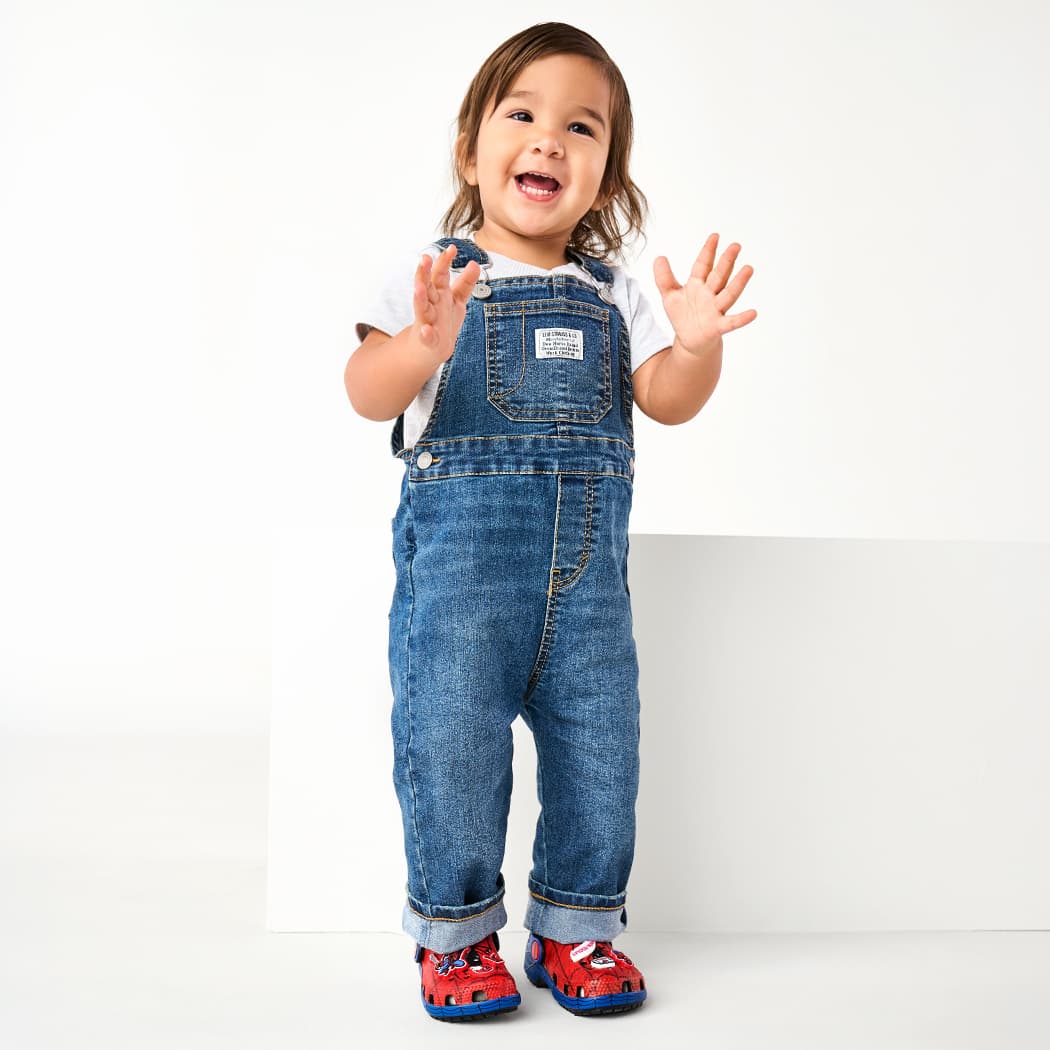
Toddler Sizes (4–10)
Typically fits kids ages 1–3.
These are the early walker years—which means fast growth, lots of movement, and shoes that somehow only fit for five minutes.
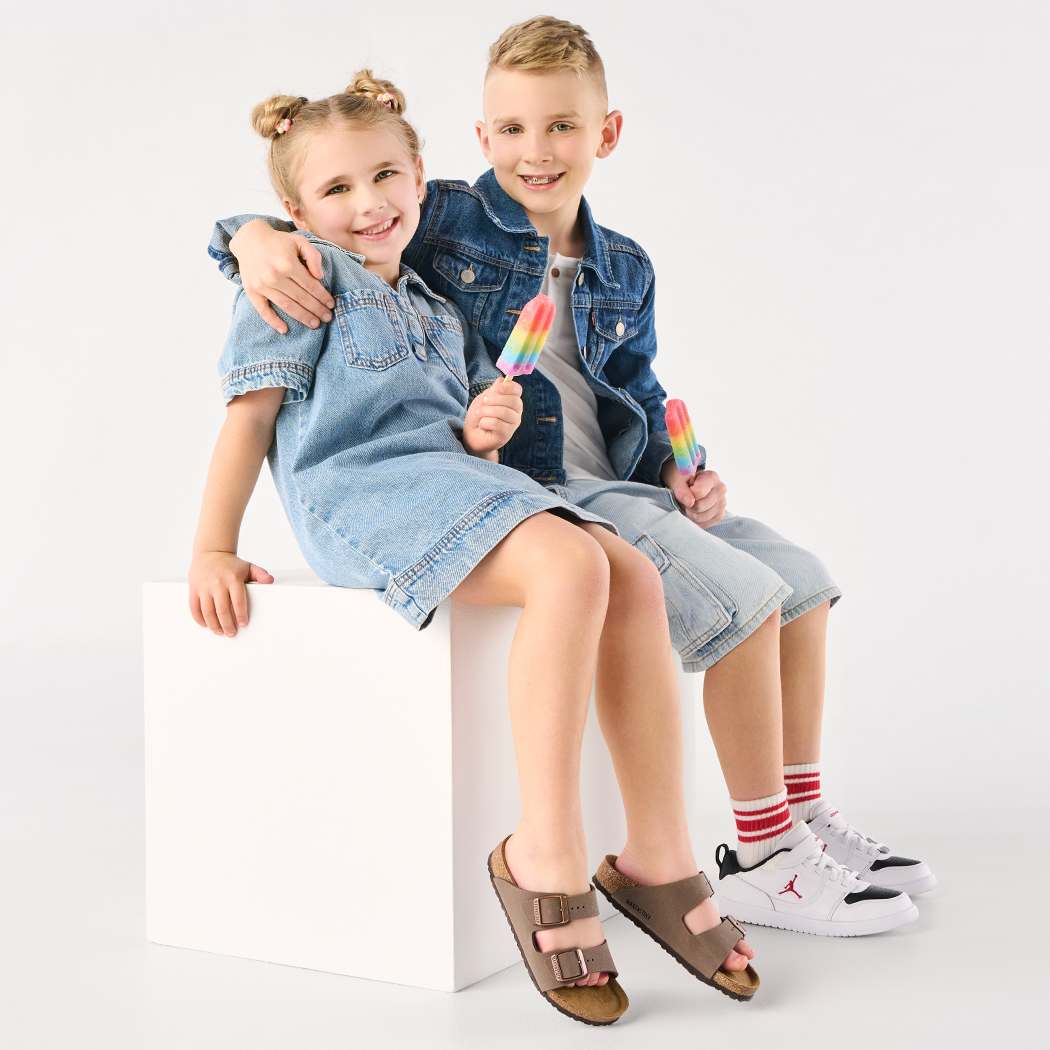
Little Kid Sizes (10.5–13, Then 1–3)
Typically fits kids ages 4–8.
And this is where things start getting confusing.
After Little Kids’ size 13, the sizing starts over at size 1.
Yep. Really.
So:
- 13 Little Kid → smaller than Size 1 Little Kid
- Little Kids’ sizing continues through size 3
- After Little Kids’ size 3, you move into Big Kids’ sizing
Still with us? Great.
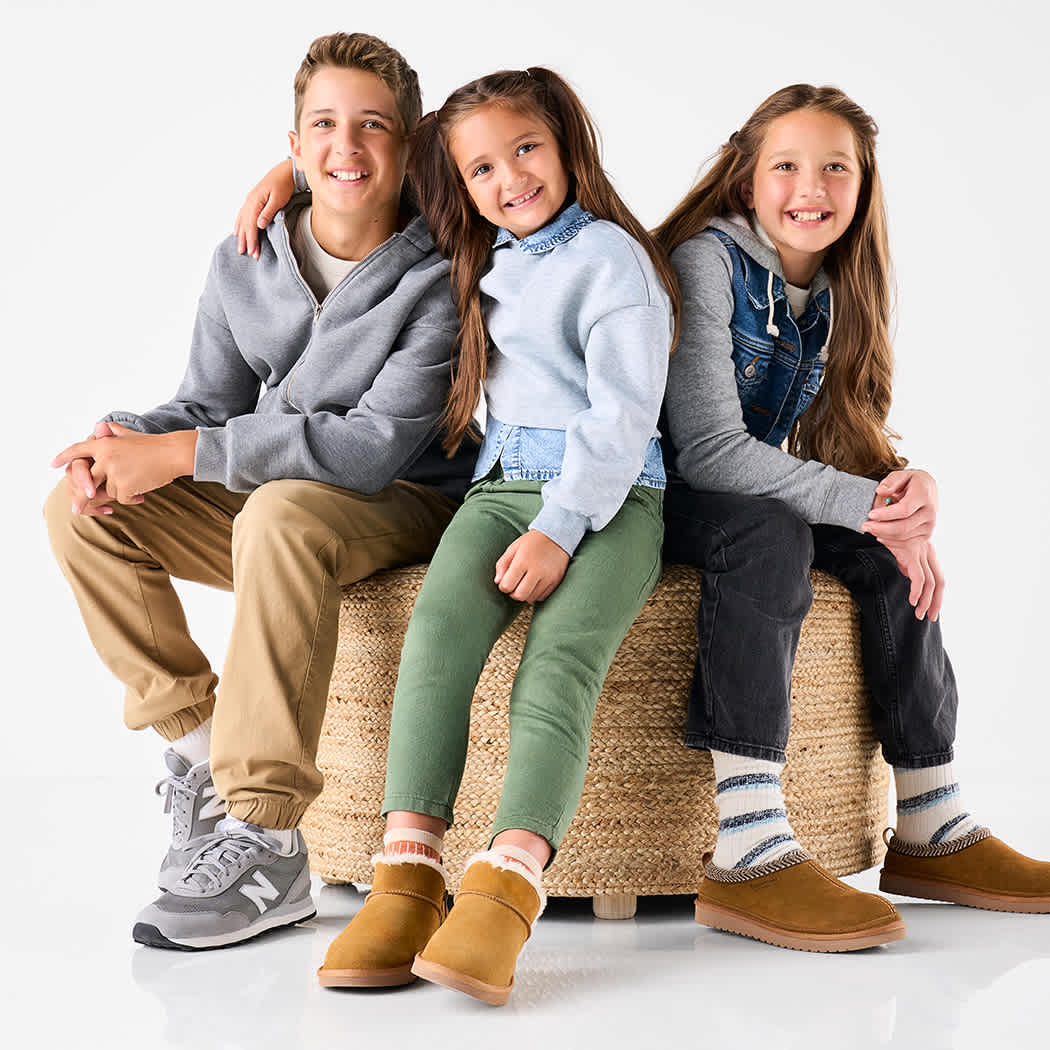
Big Kid Sizes (3.5–7)
Typically fits kids ages 9–12.
This is the stage where suddenly their shoes start looking suspiciously close to yours.
Here’s the Thing:
Shoe size doesn’t always match age.
Kids grow at completely different speeds, especially after infancy. Which means measuring their feet
matters way more than guessing based on age alone.
Because “they still fit from last season” is…usually not true.
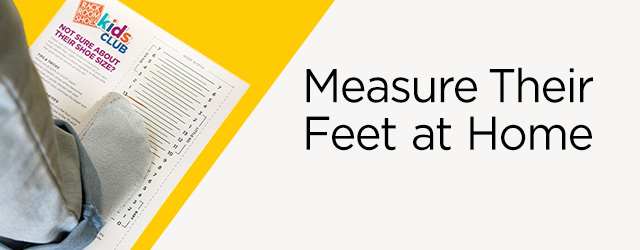
The Easy At-Home Fit Check
We have an easy at-home
measuring guide for you to use. But, you’d have to print.
Don’t have a printer at home? Keep reading.
Step 1: Measure
Use a ruler or tape measure to measure from the heel to the longest toe.
Step 2: Leave Some Growing Room
A little extra room is good—about a thumb’s width at the front usually does the trick.
Too tight? Not good.
Too loose? Also not good.
Step 3: Watch Them Move
Have them walk, jump, dance, or sprint through the house for absolutely no reason.
Growth Spurts Don’t Wait
Kids’ feet grow fast. Sometimes really fast.
Typical growth patterns:
- 0–15 months → 1–2 sizes every 4 months
- 15 months–3 years → 1 size every 4–8 months
- 3–5 years → 1 size every 8–10 months
- 6+ years → ½ size every 6–12 months
- Translation: if it’s been a few months since their last pair, check again.
A Few Parent Rules of Thumb
Don’t Measure First Thing in the Morning
Feet naturally swell
throughout the day. Let them run around a little first.
Don’t Buy Too Big
We get wanting
them
to “grow into them,” but oversized shoes can affect comfort,
movement, and proper foot
development.
Don’t Buy Too Small
If they’re between sizes—or one foot is bigger than the
other—always go with the larger size.
Trust the Complaints
If they keep saying their shoes
feel
“tight” or “weird,” there’s usually a reason.
Signs It’s Time to Size Up
Blisters
Too small AND too big
can both cause
rubbing.
Jammed Toes
You should be able to press down at the front of the shoe without
hitting
a toe.
Less Running Around
If they suddenly don’t want to play as much, uncomfortable shoes
might be the culprit.
The Walk Looks Off
Heel slipping, tripping, dragged feet, twisted
ankles—all signs the fit isn’t right.
Eventually, They’ll Outgrow Them
It happens faster than you think.
One day they fit perfectly. The next day they “hurt all of a sudden.”
But finding the next pair doesn’t have to be stressful.
Because the right fit now = fewer complaints later.